1985 – 1994
TWO SMALL TOWNS, TWO COUNTRIES

1994 – 2001
WINDOW CLEANING, FIRST EXIT

2002 – 2010
MORTGAGE ADVICE AND PROPERTY LEVERAGE
2010 – 2019
SOUND MONEY AND THE EVERYDAY INVESTOR
2020 – 2025
MACRO, BITCOIN AND A SECOND EXIT

NOW
BUILDING NEW WEALTH IN THE NEW WORLD
Darcy Ungaro’s Story
Darcy Ungaro grew up between two small working‑class towns – one in Canada and one in New Zealand. Both were quiet, ordinary places with limited options. Money was inconsistent, and as a child of divorce he watched both sides of his family go through financial highs and lows.
It became obvious early that if something was going to get sorted, he’d have to do it himself.
As a kid, he cleaned cars, cut lawns, and washed windows with a squeegee from the local gas station. At twelve he worked as a dishwasher for $1.75 an hour and ate leftovers because he was too shy to ask the chef for food.
Sometimes he’d tear up or burn cash in front of friends, trying to prove money didn’t control him, even though the lack of it clearly shaped his life.
That tension pushed him to ask harder questions about how the system really worked and why some people seemed to get ahead while others stayed stuck.
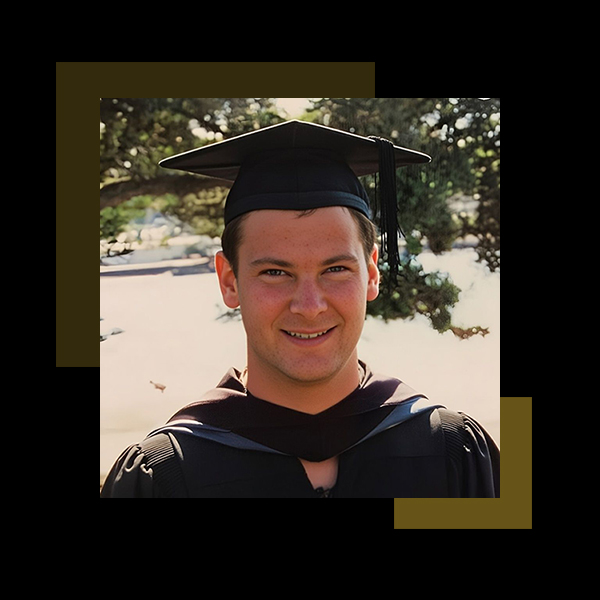
In 1994, at nineteen, Darcy moved permanently to New Zealand. He ordered a mail‑order book on how to start a window‑cleaning business, borrowed a ladder from his parents and $900 from his brother for a 1971 Mini, printed flyers at his mum’s work, and started knocking on doors.
Weekend jobs turned into a full‑time operation with a part‑time employee and a stable client base.
While his university friends were starting graduate roles, he was earning more than they were and answering only to himself.
Alongside this, he studied economics and finance at university. The theory made sense only when he saw it in the real world. Cleaning windows in wealthy suburbs, he noticed a simple pattern: most of the people in those homes had built their wealth through business, property, or both. They weren’t just working hard; they owned assets that benefitted from how money and credit actually function.
After seven years, he sold the window‑cleaning business to a competitor in 2001 and used the proceeds as the deposit on the first home he and his wife bought in 2003. Their first rental followed in 2004, and a clear pathway to building wealth began to form.
In 2002, Darcy entered the mortgage advice industry in Auckland. Sitting across from hundreds of households, he saw two common traps. One group believed pure grind and budgeting would be enough. The other obsessed over global events and central banks and concluded that nothing they did mattered.
Darcy chose a different path: do everything you can locally, then position yourself so the bigger forces you can’t control – inflation, interest rates, currency debasement – work in your favour, not against you.
From 2003 to 2010, he and his wife bought as much property as they could sensibly hold. Over time, their properties rose in value faster than the cost of the debt attached to them. That was the moment the macro clicked. It wasn’t about buying, adding value, and then selling, it was the structure of the monetary system itself.
The dollar was being debased on purpose, and interest rates had to fall. He borrowed to buy real estate which was repricing accordingly.
Most people were still stuck in a “work harder” mindset. Darcy decided to stand where the wave was going to be instead.
When the Global Financial Crisis hit, New Zealand banks changed how they paid mortgage advisers. Rather than simply accept it, Darcy started experimenting with a fee‑based model in a space dominated by commissions.
Over time, he detached his income from lender commissions and shifted to a transparent, client‑paid structure.
Most clients were happy to pay for advice directly, and he saw that it aligned his loyalty with the person in front of him rather than the institution behind him.
After the GFC, he went deeper into the mechanics of money – who creates it, who receives it first, and why asset owners often seem to win by default. Concepts like the Cantillon Effect and currency debasement, gave language to what he had already observed. He began allocating to precious metals.
He had first heard of Bitcoin in 2011 and dismissed it, but by 2017 he revisited it with fresh eyes. Digital scarcity, network effects, and a stretched fiat system convinced him it was more than a curiosity.
In 2017, Darcy launched The Everyday Investor podcast. At the time, podcasts were still relatively new in New Zealand, and there was little long‑form content for everyday people who wanted to understand property, shares, precious metals, Bitcoin, and the broader money system.
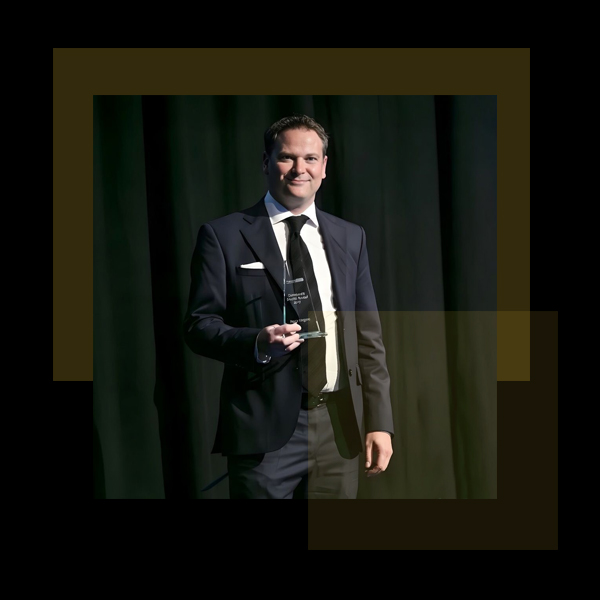
Within its first year, the show received a community service award from the local advice industry for lifting financial literacy. Over time, it became a recognised platform for investors who felt out of place in traditional sales‑driven advice models.
Conversations with global guests such as Jeff Booth, Peter Schiff, and Michael Every sharpened his view of where technology, geopolitics, and money might be heading.
As online investing platforms took off in New Zealand and both property and Bitcoin surged after 2020, his early focus on currency debasement and scarce assets was validated in live time. Many people sensed that something fundamental had shifted but struggled to turn that feeling into a coherent strategy.
Darcy’s advice business grew to seven‑figure revenues, and he picked up multiple industry awards along the way.
In 2025, he sold the practice for a seven‑figure sum and deliberately chose to “start again” at fifty with no guaranteed income. For him, a business is an investment tool, not an identity. When it has done its job, you exit and redeploy into the next phase.
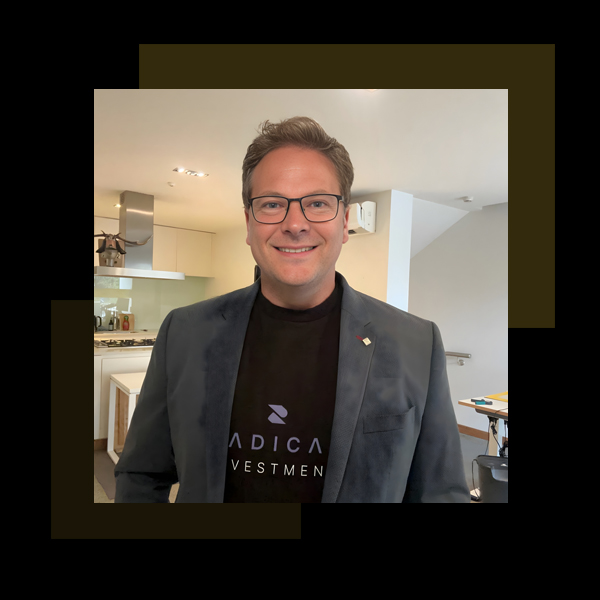
That next phase included buying into Radical Investment Limited, a young New Zealand advice firm focused on helping everyday investors take more genuine control over what goes into their portfolios.
Operating on a fee‑only basis and working with clients wanting exposure not just to traditional managed funds, but also to precious metals and Bitcoin inside KiwiSaver and investment portfolios.
At the same time, Darcy pushed The Everyday Investor further into the global conversation via YouTube and launched NZ Investor, a channel aimed at helping Kiwis connect global macro realities with local investment decisions.
Today, Darcy is still a financial adviser, shareholder at Radical Investment, and host of The Everyday Investor and NZ Investor. He describes himself as a sound‑money advocate for everyday people, but still very much a practitioner rather than a distant commentator. Politically he sits closest to libertarian thinking, valuing independence of thought and capital over strict left‑right labels.
He is critical of industry and regulatory settings that, while designed to keep people “safe,” often leave them under‑prepared for structural change.
Outside of finance, he plays golf and fishes badly, has taken up dirt‑biking with his son, and wants to sail from New Zealand to Fiji one day.
His ambition is to be a leading media voice from Australasia at the intersection of money, technology, and macro forces – “a Dave Ramsey on acid,” as he likes to put it.
He is not interested in guru status. He is an everyday investor who noticed the wave of monetary debasement early, learned to ride it, and now spends his time helping others do the same.