It’s a question that every DIY investor must confront at some stage. Fresh research from the Te Ara Ahunga Ora Retirement Commission shows more than half of New Zealanders feel uncomfortable heading into retirement. Most regret not having planned sooner. Many discover, and this is true with people I talk with also, that managing an investment strategy, cash flow, and risk, is more complex than they originally thought. If only it was about risk and return, growth and income!
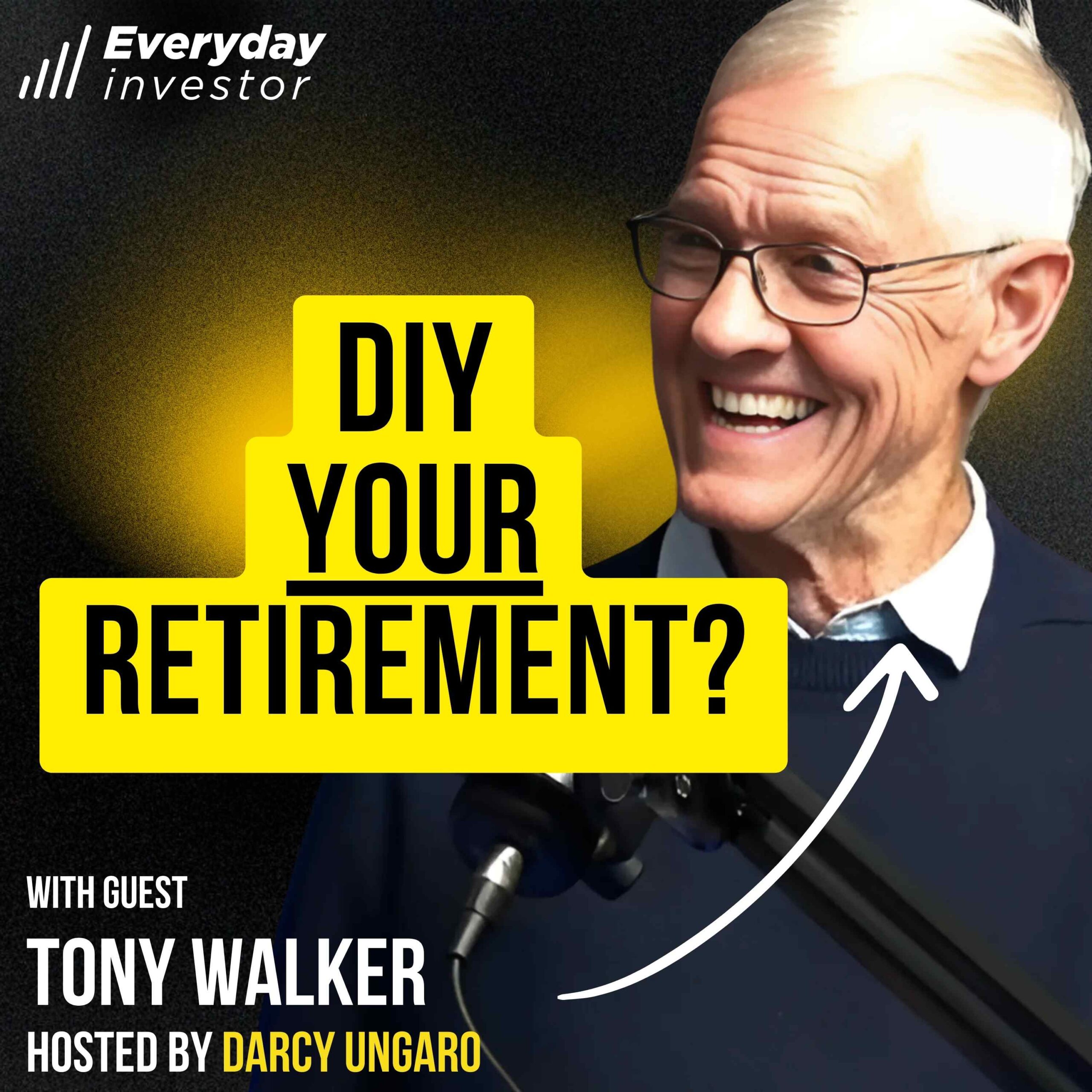
The good news is, investing is a skill you can learn, which means you can DIY retirement. If you’re contemplating this for yourself, there are several skills you need to master. Here are just four that may give you a better chance of success.
Where to Find The Best, Short-term Investment Options.
The first skill to develop is understanding what short-term investing really means. Many retirees and soon-to-be-retirees are still in the ‘building up’, or wealth accumulation phase. It’s easy to get stuck into a mindset of chasing quick returns, but in reality, what you need most at this stage is reliable access to cash (aka liquidity). The two best short-term ‘investments’, are actually just savings strategies: a savings account and a term deposit. Relying on savings and term deposits that matures at predictable intervals allows you to supplement retirement living expenses – great for the immediate 3 years in front of you. Once you have your short term ‘investments’ (which are really just savings) sorted out, it’s easier to leave your longer-horizon investments alone when markets wobble.
Keep it Simple
Retirement accounts often end up looking like tangled spiderwebs, with different funds, properties, and strategies creating unnecessary stress. The key to thriving as a DIY retiree is to keep it simple. One idea could be to think in terms of different “buckets” for different stages of life: you might sell down an investment property when you retire, use non-KiwiSaver savings for an earlier retirement, and rely on simpler instruments like savings accounts for day-to-day cash flow. Consolidating assets into fewer, clearer strategies makes tracking your wealth easier and gives you confidence. This is also where an investment adviser can take complexity off your plate. They can efficiently manage your portfolios, while you simply focus on your lifestyle and the pace at which you want to draw down your accounts.
Use Your Mortgage For The Win
If you’re carrying a mortgage into retirement (or even into your later working years) your best “investment” opportunity is right under your nose. The simple truth is that if you have both debt and savings, you are effectively paying for money twice. Efficient loan structures, like offsets and revolving lines of credit, can dramatically rebalance power dynamics between you and your interest bill. Reducing your mortgage balance delivers a guaranteed return equal to the interest rate on your loan, which, in many cases, is nearly as attractive as share market returns (adjusted for tax), but without the volatile ride. For many clients I’ve worked with, realising this simple truth reframes their thinking: paying down debt (especially using flexible loan products), is one of the most effective, risk-free strategies you’ll ever have access to.

Stay Focused on Real Returns
Too often, we measure performance the wrong way. Retirees focus first on fees first, then maybe on tax, and leave inflation as a side note. In reality, inflation is the silent killer of retirement wealth, eroding purchasing power more than fees ever could. Tax, too, can cut deep into retirement income if strategies aren’t properly structured. Staying laser-focused on your real return, after adjusting for inflation, tax, and costs helps you to benchmark your progress better. Paying a slightly higher fee for a structure that lowers your tax burden, or deploying investments that naturally thrive in inflationary environments…well, that’s smart. Done right, this adds up to far more than penny-pinching your way to the lowest-cost option.
Can YOU Do It?
Managing your retirement on your own requires more than just a collection of financial tools (investments). Retirement done well requires a strategy before you get there, and a strategy when arrive. Some people can do it, and others need help. There’s no shame in that.
It isn’t as much about market risk either, but about how well your unique circumstances are aligned against forces outside your control. A skilled adviser can help, but if you’re set on handling it yourself, these four disciplines are the bare minimum. So, do you really have what it takes to handle your retirement?