No, not staring at your phone, takeaways, or eating ham while pregnant – the most dangerous substance to get hooked on is the belief that playing it safe, reduces the chance of bad things happening.
Comfort-seeking chases safe bets, predictable returns, and validation‑rich investment narratives. It dulls our risk-awareness, and sets us up for a higher chance of loss when the pressure hits. The reality we don’t want to acknowledge? Above‑average returns come with a mandatory dose of above‑average uncertainty.
_____________________________________________
Disney, dirt bikes, and comfort’s trap
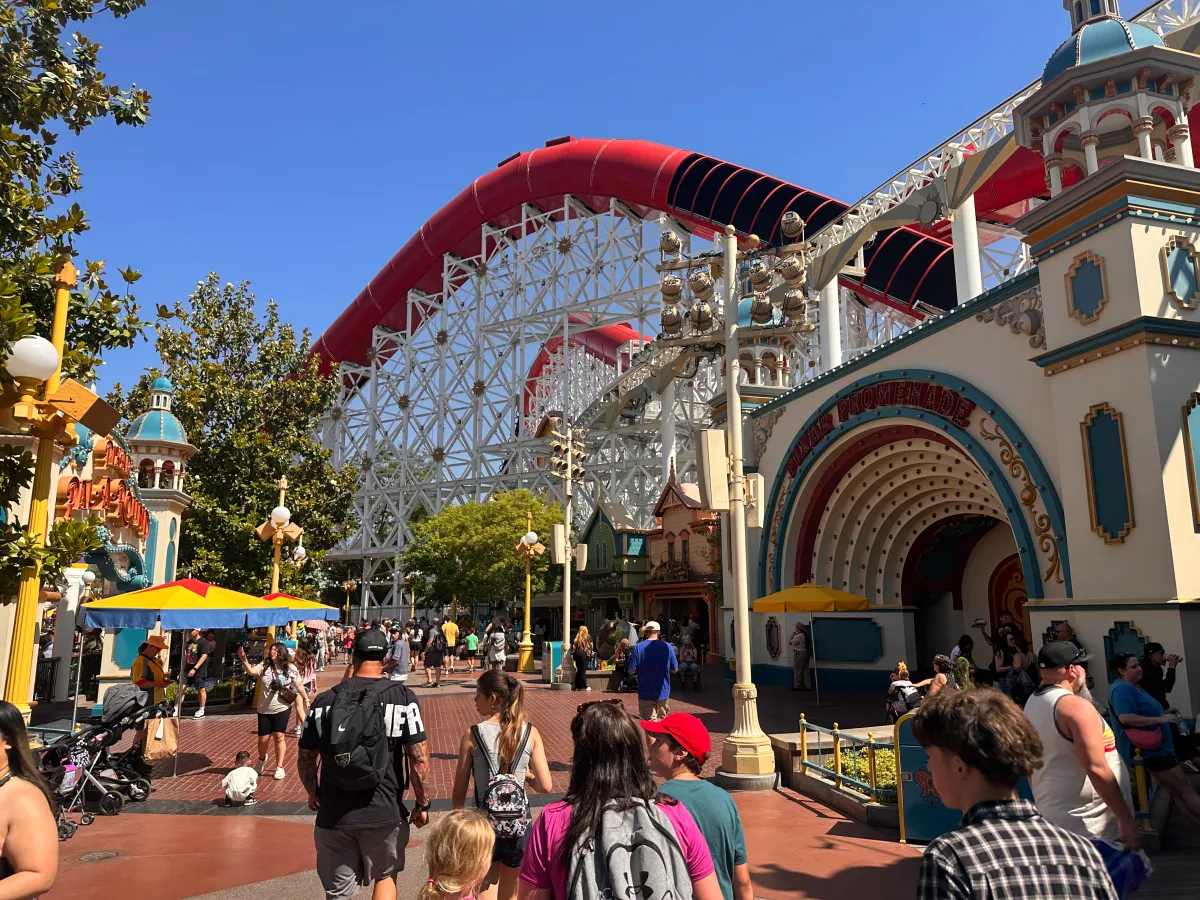
Last year we took the kids to Disneyland. Between the queues, the churros, and the slow bleed from my wallet, I had this thought: if theme parks didn’t already exist, Karen from compliance would shut the whole thing down on sight. Too risky. Too dangerous. Too many ways to get hurt.
But that’s the whole point. We line up for an hour to feel our stomachs drop for 30 seconds, then walk away buzzing. Life’s dull without real risk.
So, my parenting skills aren’t perfect, but here’s what I’ve learnt about rollercoasters, motorbikes, tractors, hunting, and power tools. None of it’s “safe”! My first instinct as a dad is to wrap the kids in bubble‑wrap and throw away the keys to all of it. But what scares me more isn’t what could go wrong if they give these things a go; it’s what happens if they never do and drift into a permanent comfort coma.
Over Christmas, for example, my boys wanted dirt bikes. The easy parent script is, “We can’t afford it, and it’s too dangerous anyway.” What the hell…I said, “How can you afford it?” Well, blow me kangaroo down they actually paid for most of it themselves in the end!
They fired up “King of the Greens” – a lawnmowing business, and each weekend throughout winter they dropped flyers in local letterboxes, “Got grass? Text now for a free quote.” They’d been pushing a mower with me for years; now they were doing it for themselves. Between neighbours and family, they closed the gap, and we ended up towing a couple cheap, but new, Chinese bikes behind the family SUV out to the Muriwai sandpit recently.
I even got a bike and fell off 8 times joining in. It was brutal. My ribs, knee, and neck all filed complaints the next day.
Here’s what I think really matters:
We need controlled danger to grow. When something goes wrong – an accident, a near miss, a scary headline – our reflex is to strip danger out of every part of life. We succeed in removing some downside, sure, but we also quietly delete the upside and any practice we had at staying calm when things get rough.
Money’s no different.
A comfort‑addicted investor hunts for safe bets, predictable returns, and reassuring stories.
Above‑average returns always come with a mandatory dose of above‑average uncertainty.
A clear, unemotional view of the future – plus an honest assessment of how much uncertainty you can actually hang on through – is what gives you a real shot at genuine wealth.
_____________________________________________
Silver: it’ll rip your face off
If you want a masterclass in uncertainty and return, look at what just happened in precious metals – especially silver.
I went on Frances Cook’s Making Cents podcast and said, “silver will rip your face off…”. I wasn’t joking.
Then, between recording and writing this, President Trump named Kevin Warsh as his Fed chair pick, and metals went from euphoric to catastrophic.
Silver had gone vertical through January – roughly a 57% rally for the month, peaking above 120 dollars an ounce.
On 30 January, it crashed nearly 33% in a single session, from just over 121 to about 76 dollars, wiping out almost all of those January gains in under 48 hours.
Gold, which had hit record highs above 5,500 US dollars an ounce, fell more than 10–12% in its sharpest one‑day drop in decades.
Once prices started to slip, stop‑losses, margin calls, and risk‑off selling turned a wobble into a wipeout.
Silver didn’t stop being a hedge or an industrial metal; it just amplified the stress, as it always does.
If you’re not hooked on comfort, you’re more likely to understood occasionally you need to ride ‘The Face‑Ripper’. So long as you size your seat accordingly, while markets occasionally get savage, none of it’s surprising.
Bitcoin and wider crypto offer the same pattern in concentrated form.
You get explosive upside and multiple 60–80% drawdowns along the way.
Like an elite athlete, however, you don’t dabble in markets expecting to stay uninjured; you expect volatility, and you train for it.
And with crypto, there’s another twist: volatility is only half the issue.
Real risk – the chance of permanent loss – has gone through the roof.
Chainalysis estimates around 17 billion US dollars was stolen in crypto scams in 2025, driven largely by AI‑powered impersonation and industrial‑scale fraud. Deepfake “support staff” draining wallets, fake exchanges and phishing kits sold as a service, and seed phrases handed over to convincing bots. This isn’t volatility – this is risk (or the chance of complete financial loss).
Self‑custody is brilliant, but for some people, in some seasons of life, holding all your wealth in your own wallet is the riskiest thing you could do. If you haven’t thought about AI scams, recovery plans, or even simple op‑sec, then volatility isn’t your problem; risk is, and you should check out this chat with Paul Holland now.

Ready to quit the bad kind of comfort?
You know the world is changing. Maybe you blame Trump, central banks, climate politics, CBDCs, globalists, or garden‑variety incompetence.
Pure doomerism makes you anxious and immobile, but comfort makes you poor.
What do you do?
FOMO-invest, then panic‑sell on the first crash?
Of, sit in cash and hope inflation, tax, and policy error leave you alone.
The answer is alignment.
When your asset allocation matches your worldview and your genuine tolerance for uncertainty:
-
A 25–30% drawdown or more is uncomfortable, but not a personal crisis.
-
You know which risks you’re deliberately taking (volatility in the wrong season, custody, counterparty risk) and which you’ve outsourced.
-
You think in decades, not days, and can ignore a lot of the noise.
-
You can tell the difference between “this is scary” and “this is fatal.”
To be clear, I’m not just prescribing a can of “get over it”.
I am suggesting you build a clear, unemotional view of the future, take an honest assessment of how much uncertainty you can actually tolerate, and aim for wealth, not comfort.
Like high‑performance athletes, you can train for volatility. This is where real financial advice comes in.
Good advice isn’t about picking magic products. It’s about clarifying your view of where the world’s going, choosing the right tools (KiwiSaver, portfolios, ethical screens, metals, property, maybe some crypto), and right‑sizing the “ride”.
If you want help getting there, book a 15‑minute chat with me.
We’ll do it in a way that matches your values, not mine, and while I can’t make the rollercoasters flat, I can help you stay strapped in.